
Summary
A manageable first garden begins with observation, a modest planting area and a watering routine you can actually maintain.
Watch the space at different times of day. Note where direct sun falls, where water collects after rain and which corners are exposed to wind.

Read the space before shopping
Watch the space at different times of day. Note where direct sun falls, where water collects after rain and which corners are exposed to wind. A balcony has different limits from open ground: check permitted loads, drainage arrangements and building rules before placing heavy containers. Sketch doors, taps and walking routes first; beds come afterwards.
Choose one achievable project
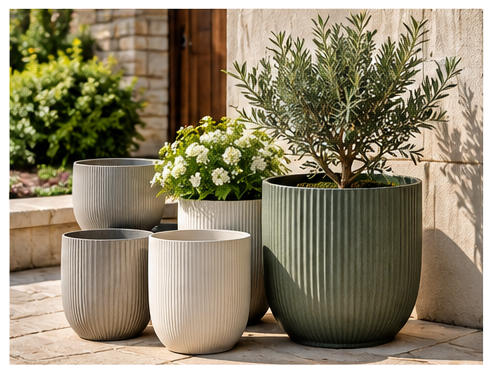
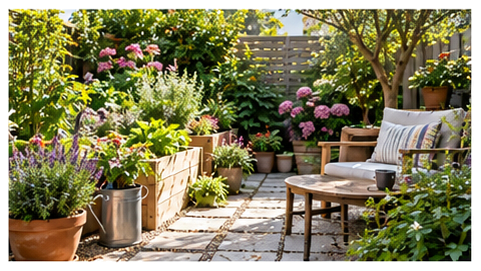
Begin with a few containers or one accessible bed rather than filling every available metre. Grow something you enjoy using: herbs near the kitchen, a short row of salad leaves or a flowering pot beside a seat. Read the plant label for its mature size, light needs and hardiness. A tiny plant can become a large obstacle within a season.
Prepare roots for success
Remove persistent weeds before planting. In open ground, examine the soil while it is moist rather than saturated; avoid working sticky soil into compacted clods. Containers need drainage holes and a potting mix suited to the plants. Garden soil alone is often too dense for a pot. Leave watering space below the rim and settle the root ball without burying the stem unnecessarily.
Establish a weekly rhythm
Check moisture with a finger, observe new growth and remove damaged foliage when needed. Water the root zone thoroughly when it needs it rather than giving every plant a daily splash. Young plants need closer attention while establishing. Keep a short record of sowing, flowering and problems; next year's decisions will be much easier.
Build variety gradually
Use flowers with different flowering periods, leave some undisturbed habitat and avoid treating every insect as a pest. For vegetables, sow a little at intervals when the crop allows it, instead of producing one overwhelming harvest. Add fruit only after checking pollination requirements and the eventual size of the chosen rootstock or variety.
Spend where it
solves a problem
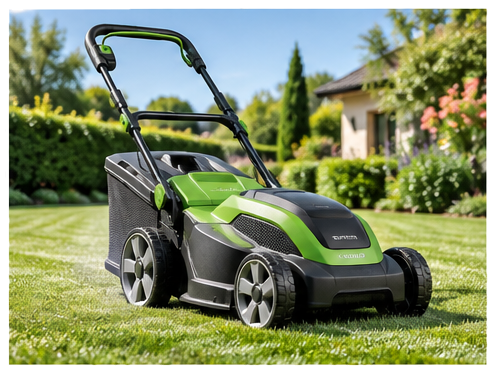
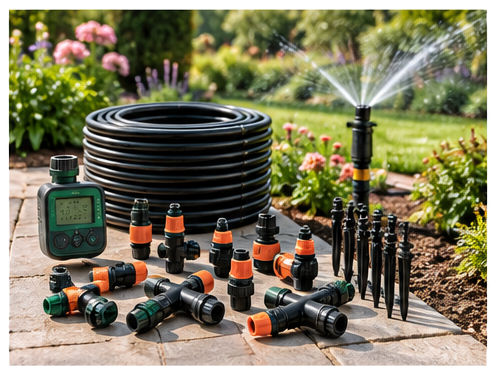
A sound watering can, comfortable gloves and a suitable hand tool can be enough to begin. Delay gadgets until you know what task is difficult. At the end of the season, keep what thrived, investigate what failed and expand only the part of the garden you enjoyed maintaining.